Soomaaliya Ha Noolaato
Thousands of years of trade, learning and strength. Thirty hard years don't get to tell our whole story.
The world mostly knows Somalia from the last three decades. But Somali sailors, merchants, poets and rulers were trading with Egypt, Rome, Arabia, India and China long before most of today's countries existed. This is where we come from, and it is where we can go again.
The Somali coast at the center of the ancient trade world
Simplified diagram of trade partners named in ancient and medieval sources, not a scale map.
Before the pyramids were finished
At Laas Geel, near Hargeisa, the cave walls are covered in painted cattle, herders and wildlife, among the oldest and best-preserved rock art in Africa, thought to be around 5,000 years old or more.
Ancient Egypt sent ships to a rich land it called Punt for frankincense, myrrh, gold, ebony and live animals. Queen Hatshepsut's expedition, around 1470 BC, is carved into her temple walls. Many historians place Punt in the Horn of Africa, including the Somali coast; the exact location is still debated.
Sea traders to the Roman world
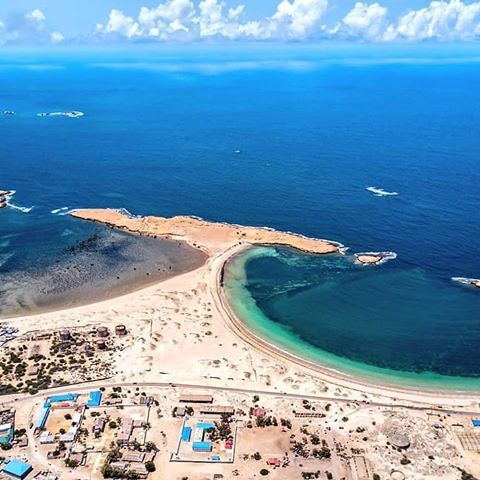
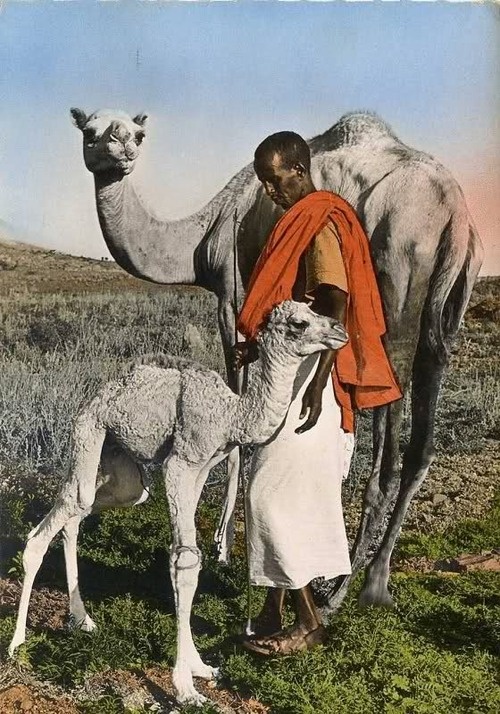
A Greek merchants' guide from Roman Egypt, the Periplus of the Erythraean Sea, lists busy market towns along the northern Somali coast: Malao (near today's Berbera), Mundus, Mosylon and Opone (near Hafun).
From these ports came the frankincense and myrrh that Roman temples, homes and funerals burned by the ton, along with cinnamon, tortoiseshell and ivory. Somali merchants stood in the middle of a trade that connected India and Arabia with Egypt and Rome. Archaeologists at Opone have found pottery and glass from the Mediterranean, Persia and beyond.
Wealthy city-states of the coast
Mogadishu, Merca, Barawa and Zeila grew into rich port cities linking the Somali interior with the Indian Ocean. The Sultanate of Mogadishu minted its own coins, and its cloth was sold as far as Egypt.
When the traveler Ibn Battuta visited Mogadishu in 1331, he described a very large city with prosperous merchants, generous hospitality and a sultan's court that received visitors with ceremony.
Trading with the Ming dynasty
China's Admiral Zheng He led huge treasure fleets across the Indian Ocean, and his later voyages (1417 to 1433) called at Mogadishu and Barawa. Envoys from the East African coast sailed back to the Ming court with gifts, including giraffes and zebras that amazed the emperor's capital.
A Chinese writer on the voyages, Fei Xin, described Mogadishu's stone houses rising four and five stories high. Chinese porcelain is still found along the Somali coast today.
Empires that ruled land and water
The Ajuran Sultanate controlled much of southern Somalia for centuries. It managed the wells, cisterns and rivers that farmers and herders depended on, collected taxes on trade, and with Ottoman allies pushed back Portuguese attacks on the coast in the 1500s.
In the north-west, the Adal Sultanate, with its port at Zeila and capital at Harar, became a regional power. Under Imam Ahmad ibn Ibrahim al-Ghazi, known as Ahmad Gurey, its armies campaigned across the Ethiopian highlands from 1529 to 1543 using some of the first firearms and cannon in the region.
Later, the Geledi Sultanate grew rich on farming and trade along the Shabelle, and the Majeerteen and Hobyo sultanates ran their own ports, customs and diplomacy into the 1800s.
Twenty years of resistance
Sayyid Mohammed Abdullah Hassan and the Dervish movement fought British, Italian and Ethiopian forces for about two decades, one of the longest anti-colonial struggles in Africa. They built stone forts across the north, with their capital at Taleh.
It took Britain an air campaign in 1920, among the first in Africa, to break it. The Sayyid is also remembered as one of the greatest poets in the Somali language.
Independence and the pearl of the Indian Ocean
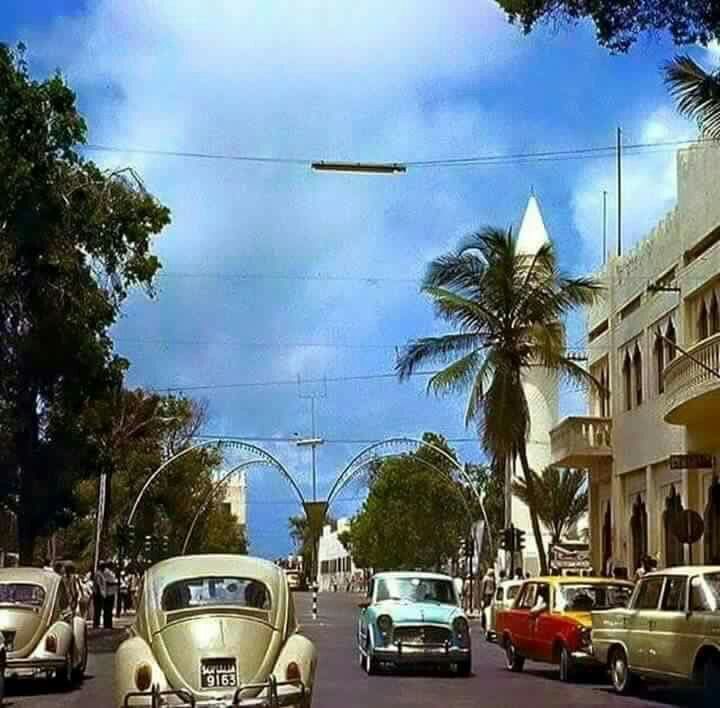
On 26 June 1960 the north became independent, and on 1 July it united with the south to form the Somali Republic. Mogadishu, Xamar Cadey, "the white city", was known for its whitewashed streets, cinemas, cafés, theatre and beaches.
In 1972 the Somali language was written in the Latin alphabet for the first time as the official script, followed by a nationwide literacy campaign that sent students into the countryside to teach reading and writing.
What we lost, and what we didn't
Since 1991, war and collapse scattered families across the world. More than a million Somalis now live outside Somalia. We lost institutions, cities and a generation's chances. We did not lose who we are.
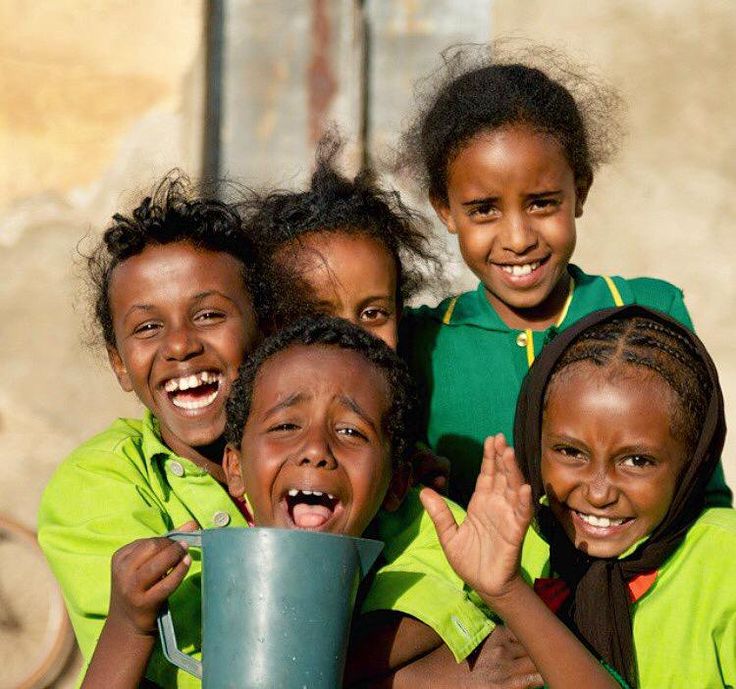
How we get it back
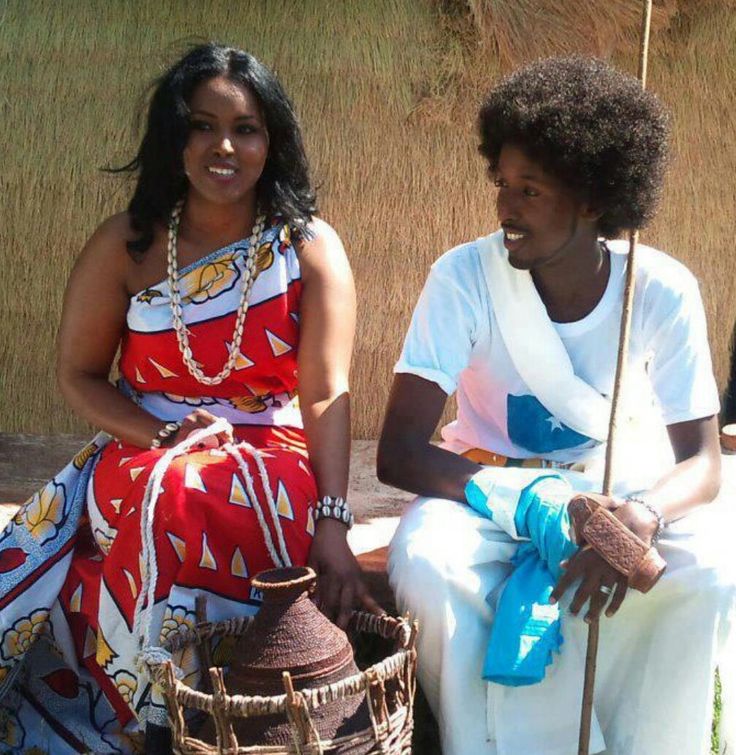
Every great Somali era had one thing in common: our people were connected, and the wealth we made stayed with us and built something. Getting it back starts with owning our own infrastructure again.
- 1Connect our people
One network for Somali members, businesses, vendors and nonprofits, in every state and one day every country.
- 2Keep our money circulating
Every visit to a GSA Business or GSA Vendor is counted. Spending with each other builds Somali-owned businesses that last.
- 3Build infrastructure we own
Our own events, venues, data, supply chains and support systems: coordinated, so we stop starting from zero.
- 4Carry it home
A connected diaspora can support families, missions and development back home, in our lifetime.
Soomaaliya ha noolaato. Let's build it.
Claim your permanent GSA number and help build the first Somali-owned infrastructure of our generation.
Where this comes from
- The Periplus of the Erythraean Sea (1st century AD), trans. Lionel Casson, Princeton University Press, 1989
- Ibn Battuta, The Travels of Ibn Battuta, A.D. 1325–1354, trans. H. A. R. Gibb, Hakluyt Society
- Fei Xin, Xingcha Shenglan (1436), trans. J. V. G. Mills, Harrassowitz, 1996
- Lee Cassanelli, The Shaping of Somali Society, University of Pennsylvania Press, 1982
- I. M. Lewis, A Modern History of the Somali, 4th ed., James Currey, 2002
- French archaeological mission led by Xavier Gutherz, studies of the Laas Geel rock shelters (2002 onward)
Some details, like where Punt was, are still debated by historians. Spotted something to correct? Tell us on the contact page.